

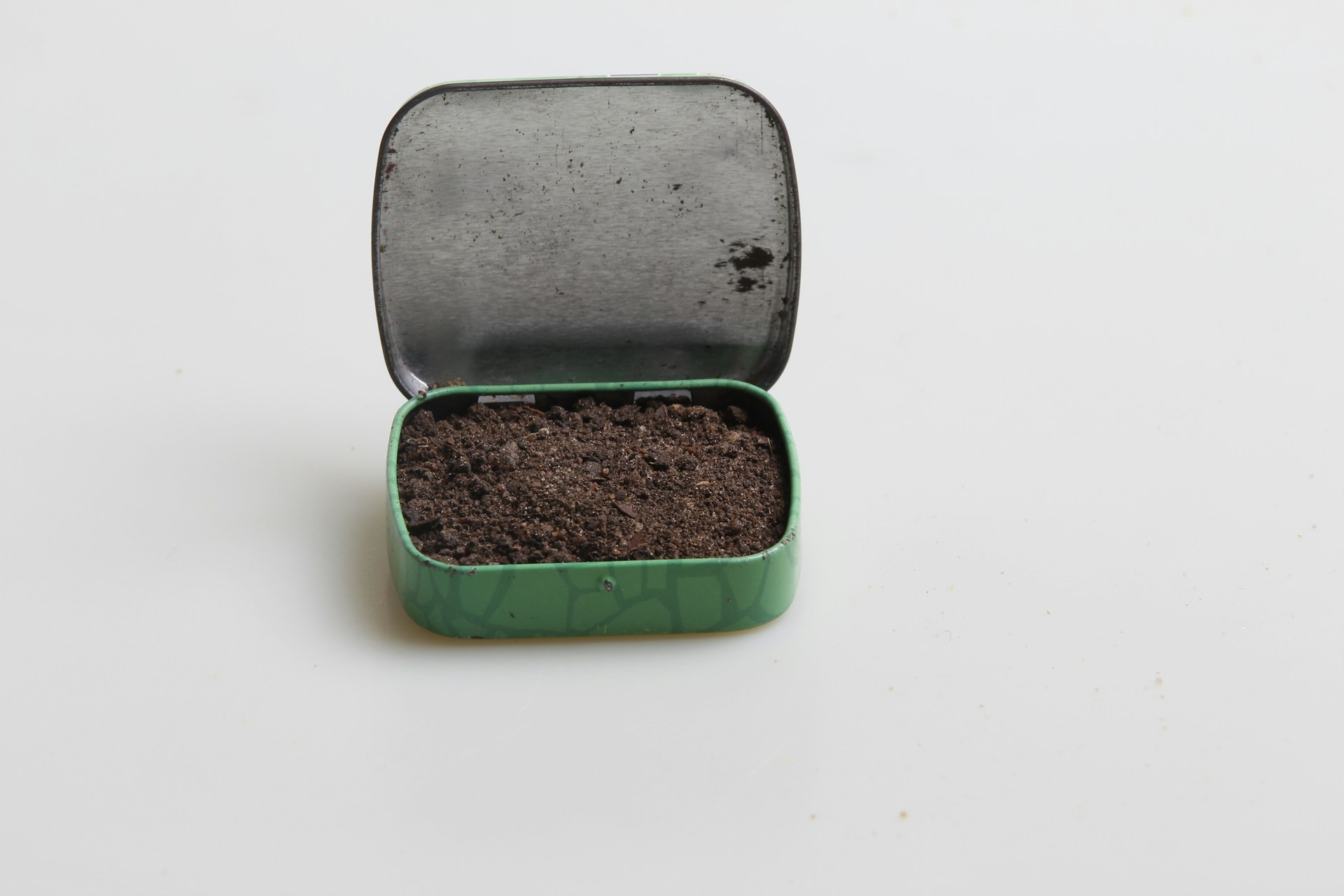
It's time to quit your chewing tobacco habit
Chewing tobacco and snuff don’t carry all of the same risks as cigarettes, but they still significantly increase the risk of several types of cancer.

Chewing tobacco and snuff don’t carry all of the same risks as cigarettes, but they still significantly increase the risk of several types of cancer.
Brushing your teeth twice a day keeps plaque and bacteria in check, which can help prevent dental problems such as cavities, gum disease, and oral infections.
Beta carotene is a precursor to Vitamin A found in many fruits and vegetables.
The health impacts of smoking are widespread and significant, but many of the most dangerous consequences begin to reverse themselves almost from the moment you quit.
Ovarian cancer risk is shaped by reproductive history, genetics, and lifestyle. Learn what the science says about prevention.
Bladder cancer accounts for 4% of US diagnoses. Learn the symptoms, screening options, and prevention strategies to reduce your risk.
Catch screening recommendations are informed by near-term risk. Although your lifetime risk for a particular cancer may be elevated, that doesn't mean that near-term screening is always the right decision.
Endocrine disrupting chemicals interfere with many basic body functions and have been linked to multiple types of cancer as well as other health problems. They are present in plastics, personal products, textiles, and even drinking water, but there are ways to reduce your exposure.

.svg)


The Catch program, products, and services are intended only for maintaining and encouraging a healthy lifestyle and are not to be used for the diagnosis, cure, management, prevention, or treatment of any disease or condition. The Catch membership, products, and services should never be used for medication management or dosing decisions.


.jpeg)